

See what requires action.
The tables are piling up, but management does not see quickly enough what is progressing, what is failing and why.
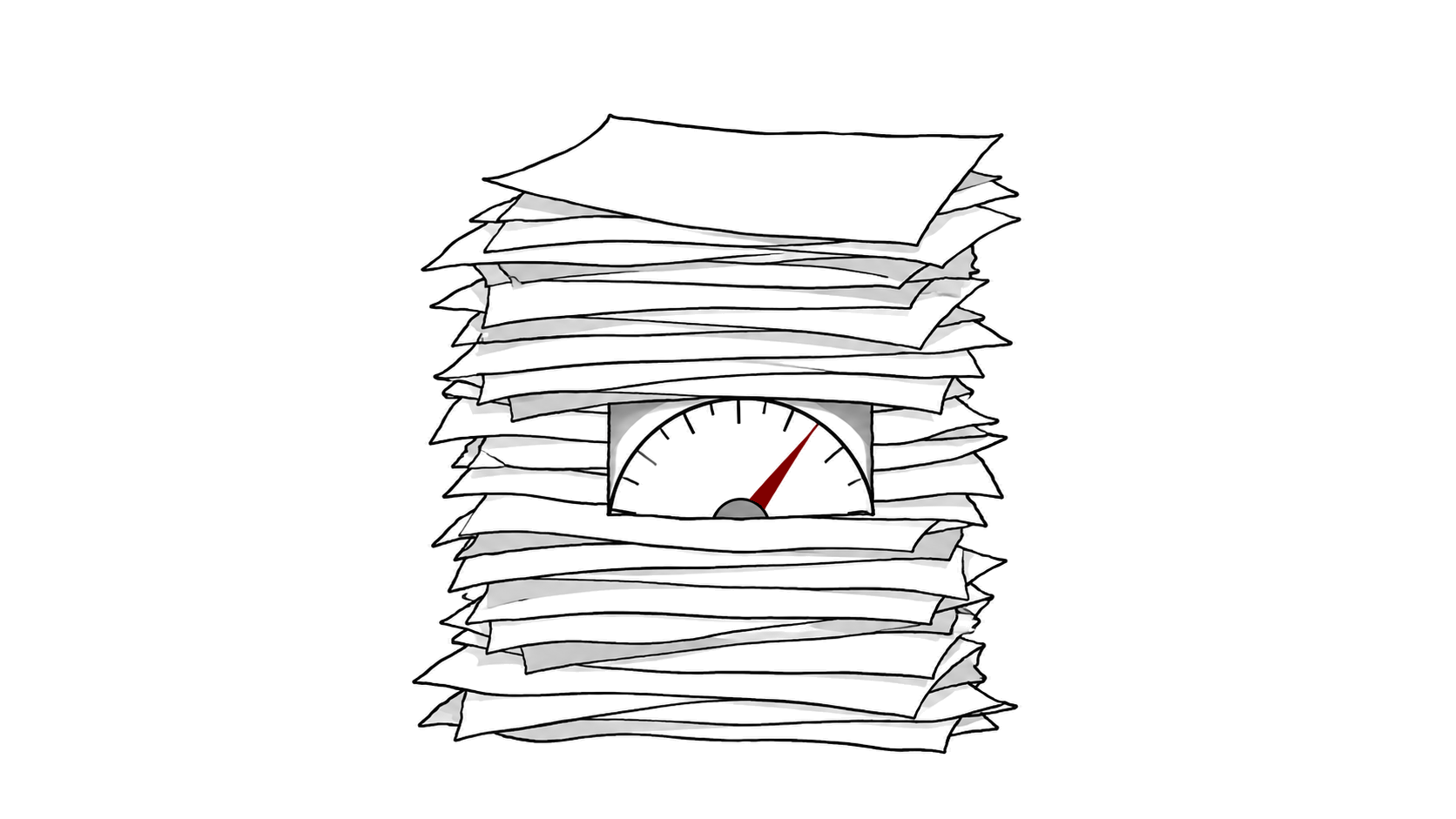
More numbers do not always mean a clearer picture.
Without shared definitions, reports describe the past while problems grow.
-
Reports arrive late
The problem is already significant when it becomes visible.
-
The measures contradict each other
Each team calculates performance in its own way.
-
Meetings debate the numbers
Time goes into explanations instead of producing action.
Make each indicator a decision trigger.
-
Start with the decisions
We link each indicator to a concrete management question.
-
Agree on definitions
Set the calculation, source, timing and owner for each measure.
-
Establish the rhythm of action
Reviews produce a decision, a person responsible and a deadline.
What stays in place
Decision-oriented dashboard
Review ritual and follow-up of actions
Performance insight that guides action early.
A shared understanding
Everyone understands numbers and their origin.
Gaps visible earlier
Management acts before the situation deteriorates.
Decisions that lead to action
Each action is assigned, dated and monitored.